
Issue #18

When a Chicken Bone is Not Just a Chicken Bone
Why some poems grab and never let you go is a mystery. For whatever reason, certain poems take root deep within us, somewhere between our thinking minds and our subconscious, just as certain people do.
I realize I may be speaking to an audience who has never been grabbed by a poem. If this describes you, maybe it’s because you’ve kept yourself out of arm’s reach, safe from being grabbed and dragged down the hallway and out the door.
I myself am a serial victim of poems. Here’s one that’s stuffed me in a car and taken me to a remote location.
Eating the Bones

by Ellen Bass


The women in my family

strip the succulent

flesh from broiled chicken,

scrape the drumstick clean;

bite off the cartilage chew the gristle,

crush the porous swellings

at the ends of each slender baton.

With strong molars

they split the tibia, sucking out

the dense marrow.

They use up love, they swallow

every dark grain,

so at the end there’s nothing left,

a scant pile of splinters

on the empty white plate.
“Eating the Bones” features a dinner party unsuitable for anyone with even the mildest case of dysphonia. A family of masticating women sit round what seems to be a broiled chicken on a single white plate. I’ll never look at a Costco chicken again without hearing them crunch the bones and suck out the marrow.
I’m not sure whether to admire their sheer dental strength, fear their rapacity, or pity them their hunger. Are they starved for love or are they toxic lovers? Both maybe? Does the speaker have similar ambiguous feelings? Given that she distances herself from the women in her family by calling them “they” not “we,” has she been on the receiving end of their devouring love or has she been just an observer?
I don’t have answers. As so often with a poem, I want to shake the poet and say, “For the love of God just tell me what it means!” Alas, it’s possible to love something without fully understanding it. I don’t know what to make of Ellen Bass’ poem, but in the end it’s in me, as if I had gnawed on the bones myself.
*
A Moment of Grace
One reason I was drawn to “Eating the Bones” is because the first few lines brought to life a woman I once knew named Grace. Here’s a little story about Grace and some chicken bones:
When my mother-in-law lived with us in her last years, we were fortunate to have round-the-clock help. Before we settled in with two dedicated caregivers (kudos to Maogosha and Daniella), we went through a few who didn’t work out.
Grace was among those. She worked for us one afternoon only. Like the others, she was Polish, but unlike them, she did not speak a word of English. Not being able to communicate with us or my mother-in-law made her employment impossible.
Which was too bad because she was a lovely person and eager to work. A tiny older woman with dyed red hair, Grace smiled constantly and never stopped moving. While my mother-in-law napped, Grace came into the kitchen and stood next to me. Through her gesturing and pointing, I understood that she wanted to be busy, to be of use. So I asked her, with motions, to shred the meat off a rotisserie chicken so I could make chicken salad for lunch.
Twenty minutes later I could not believe what sat on the counter. A chicken carcass stripped of every last bit of meat. Not a shred remained, not on the top, not underneath, not inside. The bones looked as dry as if they had been sitting out a week in the road and insects had cleaned and consumed all the meat with tweezer-like precision. I’ll remember it to my dying day.
It filled me with a small shame, that carcass, that stark depiction of what it means to have more than you need and what it means to have less. How often I had de-boned just such a rotisserie chicken and thrown away what I now could see to be almost a third of it. Waste comes easy to those who have—and to those who don’t, not-wasting can be a source of justifiable pride, as I saw in Grace’s beaming face as she pushed a bowl overflowing with chicken meat across the island counter to me.
*
For Anyone With an Obesity of Grief
Here’s another poem by Ellen Bass. She wrote it way back in 2002, but I’m pretty sure that if I had found it then, it wouldn’t have hit me as it does now. This last year has been one of profound loss that will be mine forever.
Maybe you are grieving too. Maybe you too have lost something you can’t get back—a person, a situation, a relationship, a time of your life. Maybe you will love this poem as I do.
The Thing Is

by Ellen Bass


to love life, to love it even

when you have no stomach for it

and everything you’ve held dear

crumbles like burnt paper in your hands,

your throat filled with the silt of it.

When grief sits with you, its tropical heat

thickening the air, heavy as water

more fit for gills than lungs;

when grief weights you down like your own flesh

only more of it, an obesity of grief,

you think, How can a body withstand this?

Then you hold life like a face

between your palms, a plain face,

no charming smile, no violet eyes,

and you say, yes, I will take you

I will love you, again.
*
Putting on my Cranky Pants . . .
Of late, an annoying new word is cropping up on my Instagram feed. I don’t exactly have my finger on the pulse of Gen Z or Gen Alpha, so this may be an old word to you.
In discussions of the television shows Severance and White Lotus (er uh not that I obsessively follow those discussions or anything) people talk about someone “unaliving” themselves or “unaliving” someone else.
Before I read up on this “lexical innovation,” I was going to write about how silly the word is, how irritating an adjective used as a verb can be, and how the whole trend reminded me of a yoga teacher who once said, “Invite your feet to a state of non-movement”—a turn of phrase which only made me want to move my feet.
Maybe that’s the point. Maybe a word that includes its opposite creates meaning in a new way. “Unaliving” has a more visceral feel than “murdering” or “committing suicide.” Turns out the word circumvents certain online regulations that would censor posts with the more commonly used words. It also creates solidarity among those young people who employ it—a community can signal We understand each other without spelling it out.
Not that it still doesn’t make me cranky. Like the alpaca cut, like mewing, like crop tops, “unaliving” is not for me or my generation. But I won’t criticize its value to those who coined it or use it.
*
. . . And Taking the Cranky Pants Off
There’s always reason to find what’s grim in the world. It takes more effort to find what delights. I’d like to make “delights” a weekly-ish feature with guest posts from readers. I’m still figuring out how it will work and what it should be called, but if you’re interested in contributing a short paragraph on what delights you, email me at thepoemelf@gmail.com.
Here are a few of my own delights, just to give you an idea of the range of possibilities. (What I’m trying to say is, no sunsets, rainbows or whiskers on kittens.)
Smell of sweaty baby head. Holding a baby in the heat of summer, breathing in that warm, sweet aroma, nuzzling damp baby hair—I am a sommelier of baby sweat.
Distant music drifting out windows and opened doors. Is there a more wonderful sound? I used to pass by the music building on my way to class, and almost always the windows on the upper floors would be open. The faraway sounds of a piano or violin or a person singing created such beauty for those of us below.
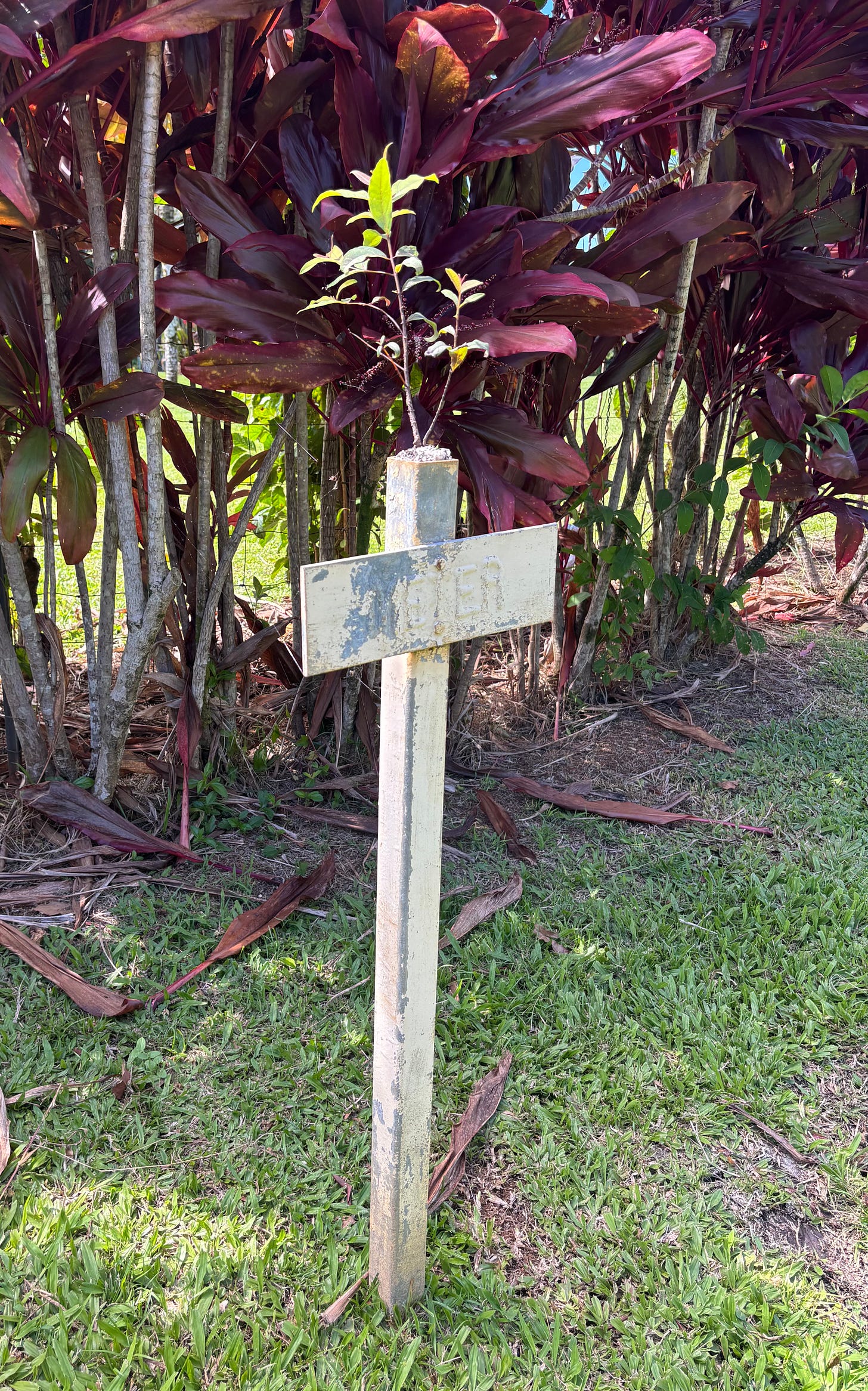
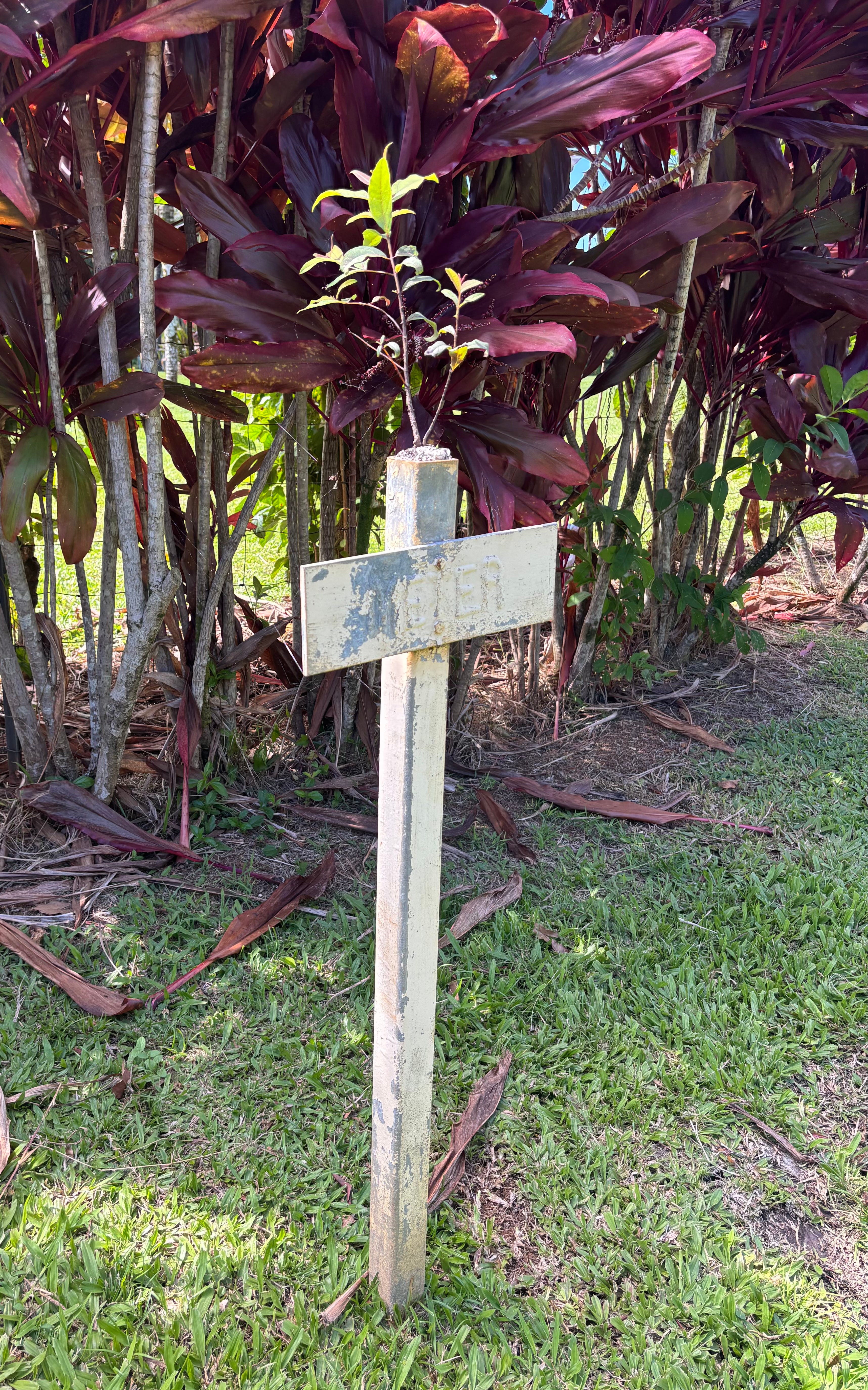
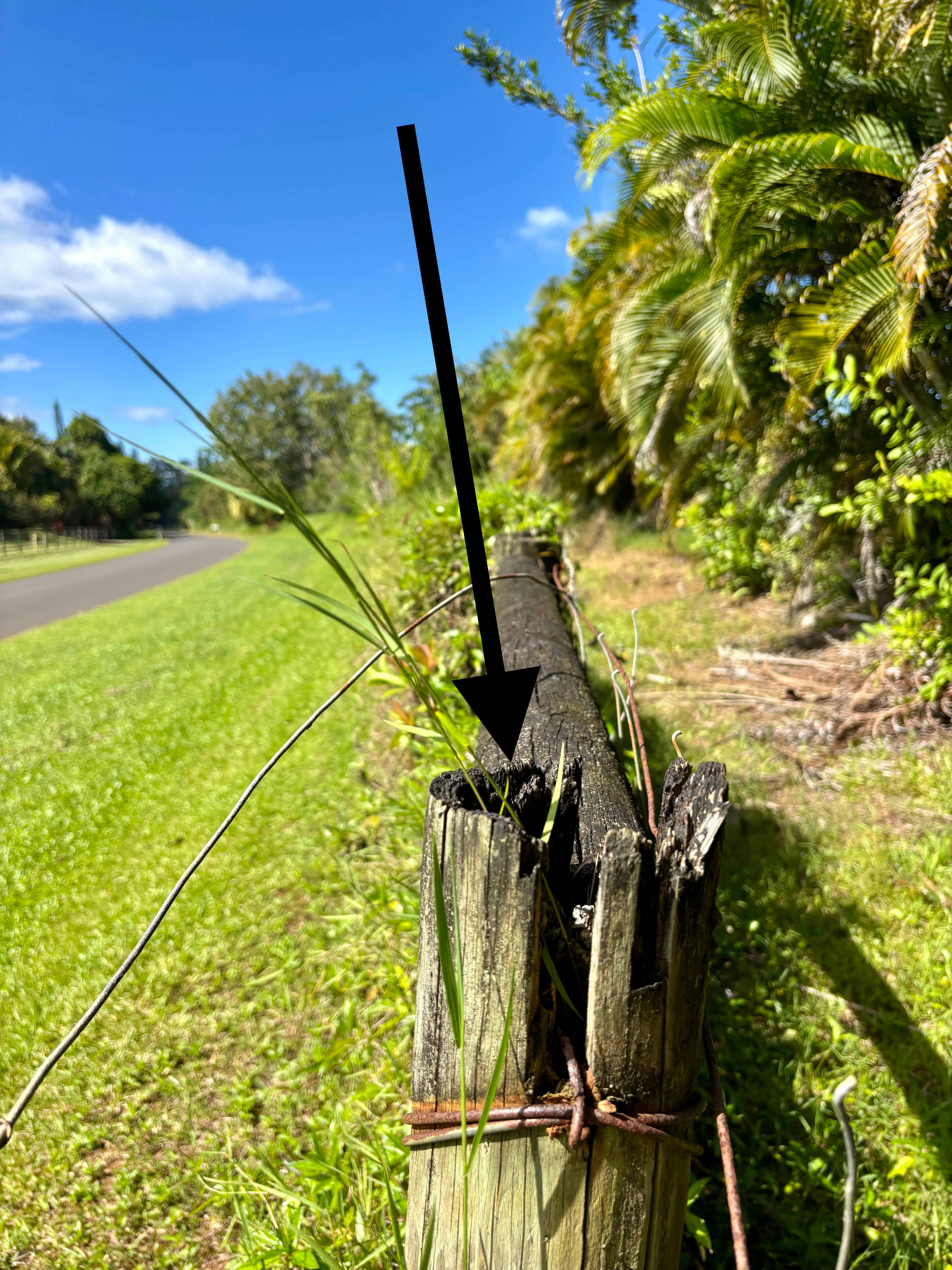
Plants growing out of metal signs, traffic cones, rocks. The tenacious drive of living things to overcome the odds, to grow, to find sunlight is a wonder. Once I saw a weed growing out of a No Trespassing sign, rendering the sign either less unfriendly or slightly ridiculous. Seeing plants growing in impossible places is the only time I cheer on weeds.
*
If you enjoyed this issue of Restless Egg, share it with someone else who might enjoy it too! Thanks!
just had a costco rotisserie chicken last night...glad I read this this morning!
Beautiful reflection.. also the reminders of delights are much needed, these days especially. Thank you!